
USP <789> Particulate Matter in Ophthalmic Solutions
Schedule a MeetingUSP <789>Particulate Matter inOphthalmic Solutions
USP <789> is a pharmacopeial test that quantifies subvisible particulate matter in ophthalmic products (sterile products intended for use in or around the eye). In general terms, it established strict limits on minute particles which are not visible to bare or unassisted eye but could be present in ophthalmic solutions. Ophthalmic solutions should be fundamentally free from visible and if subvisible particles are present then they must be kept below threshold limits. This is essential since presence of particulate contamination in Ophthalmic medications can cause infections, irritation or even permanent loss patient’s vision.
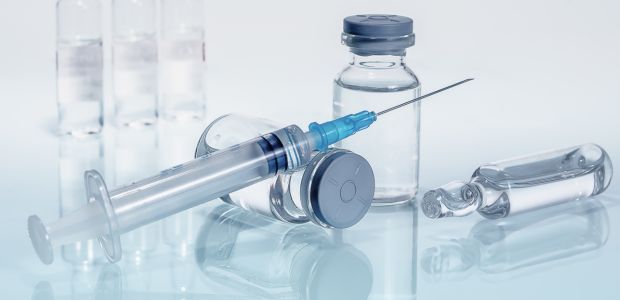
Core elements about of USP <789> compliance
Keeping in the context of sensitivity of eye and intraocular tissues to particulate matter, the set limits are very stringent in comparison to other parenteral products (Injectables). (For context, USP <788> for general injections allows a higher particle count for similar volume, but USP <789> imposes tighter control to prevent patients from seeing “floaters” or experiencing eye injury.)
Subvisible particle Limits table
Test Methods (Manual Microscopic Focus): USP <789> employs a two-step testing approach. Stage 1 uses an automated Light Obscuration particle counter to screen for particles by size and count. If the product passes Stage 1, it meets the requirements. If Stage 1 fails or if the product is not suitable for light obscuration (e.g., it’s too viscous, opaque, or tends to produce air bubbles), then Stage 2 is performed – the Microscopic Particle Count Test. In the microscopic method, the solution is filtered through a fine membrane, and any particles retained on the filter are manually counted under a microscope by a trained analyst. We specialize in this manual microscopic inspection, which not only counts particles but also allows us to observe their morphology (shape, color, etc.). This can aid to identify what the particles are – for example, fibers, glass shards, or drug precipitates – something the automated counter cannot do.
Global Regulatory Alignment
Adhering to USP <789> ensures you are meeting the requirements of major regulators worldwide. The European Pharmacopoeia (EP) has equivalent tests for particulate contamination (EP chapter 2.9.19 for sub-visible particles) and is harmonized closely with the USP standards. The Japanese Pharmacopoeia (JP) similarly aligns on particle count criteria. Regulatory agencies like the U.S. FDA and Europe’s EMA expect ophthalmic products to comply with these compendial standards. In fact, USP <789> explicitly states that ophthalmic solutions must be essentially free of visible particles and controlled for subvisible particles, a principle echoed by EMA guidance as well. By complying with USP <789>, manufacturers facilitate smoother approvals in multiple markets and demonstrate a commitment to high quality.
Patient Safety and Risk Management
Why does USP <789> matter?
Because particles in an eye product can harm patients. Even small particles can irritate the eye, cause discomfort, or blur vision. Larger or contaminated particles might scratch the cornea or introduce infection. In the case of intraocular injections (like for certain retina treatments), any particle can literally appear as a “floater” in the patient’s visual field or cause inflammation. Non-compliance with particulate limits can lead to product recalls, regulatory actions, and damage to your brand’s reputation, not to mention potential injury to patients. Thus, USP <789> is a key part of risk mitigation for ophthalmic therapies.
Compliance and Risk Areas
Meeting USP <789> is a lot more than just passing a test – it’s about building quality into your manufacturing process. We recommend clients on good particulate control practices to reduce risks, such as: using particle-free packaging components, implementing proper filtration and gowning in production to avoid fiber contamination, and monitoring equipment wear (to catch any shedding of glass or metal particles). Regulatory compliance in this area means your manufacturing process consistently produces ophthalmic solutions that stay within the USP <789> limits for particulates. If a batch fails the particulate criteria (exceeds the limits), it cannot be released for patient use. You would need to investigate and possibly report it to regulators, which can be costly and time-consuming. Our services assist you understand these compliance requirements and address common risk areas proactively. We also maintain familiarity with global updates on particulate matter regulations – for instance, changes in Pharmacopeia chapters or guidance documents – so we can keep your testing strategies up-to-date.
USP <789> compliance ensures your ophthalmic product is safe, high-quality and market-ready for a global patient population.
Why ChooseNishka Research
We offer comprehensive particulate matter testing services focused on the manual microscopic method for USP <789> compliance. Our laboratory can handle your ophthalmic product samples and perform the Microscopic Particle Count Test according to USP requirements. This includes preparing the sample in a clean environment, filtering the required volume through calibrated membrane filters, and examining the entire filter under high-power microscopes. Our analysts have the expertise to count particles ≥10 μm, ≥25 μm, and ≥50 μm accurately (using USP-calibrated reticles and procedures) and to recognize common particle types (fiber, dust, glass, etc.). Our specialty microscopic analysis, if your product cannot be tested by automated counters or if you want an independent secondary verification of particle counts. By partnering with Nishka Research, ophthalmic product manufacturers can ensure they meet compendial standards and avoid the compliance pitfalls associated with particulate matter. We not only provide the number of counts for regulatory documentation, but also help interpret the results. For example, we can give cognizance into their probable origin of the particle (e.g., glass particles from container delamination or rubber fragments from dropper closures are known issues). This information can be crucial for your quality investigations and corrective actions.
Looking for a trusted partner to achieve your research goals? schedule a meeting with us, send us a request, or call us at +91 78427 98518 to learn more about our services and how we can support you.
Need help or have a question?

Nishka Research Brochure
We deliver next-gen research services, Testing & Consultation know more..